
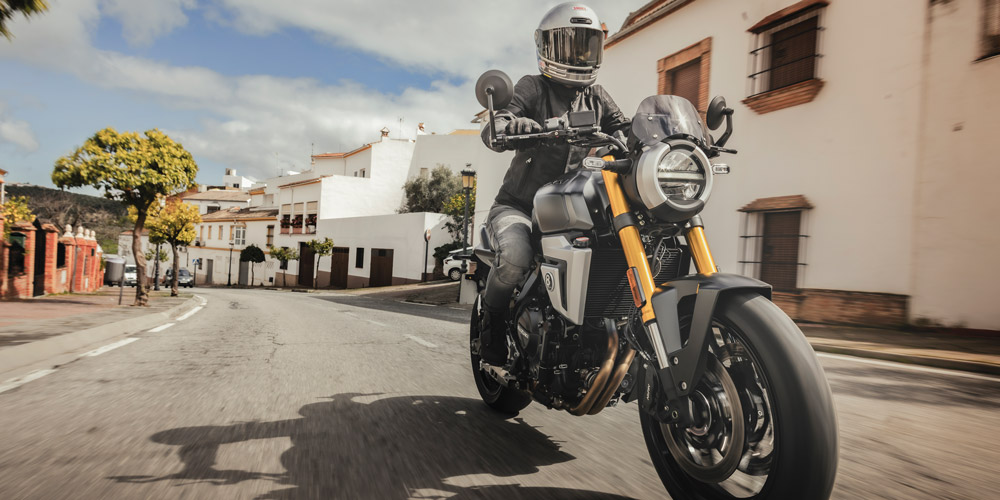
Rider, Not Driver
Words dictate how our brains process reality. On our roads, that split-second perception is often the difference between a near-miss and a fatal crash.
Across South Africa, you hear it daily in conversation, in the media, on government platforms and publications, and on commercial delivery apps: “delivery driver,” “motorbike driver,” “scooter driver.”
It sounds harmless. It isn’t.
The Problem with “Driver”
When a motorist’s brain registers the word “driver,” it retrieves a subconscious mental image: a two-ton steel cage, four wide tyres, seatbelts, crumple zones, and airbags. A driver occupies a full lane footprint, stays upright when braking hard, and can absorb a low-speed impact with little more than an insurance claim.
When you label a person on two wheels a “driver,” you lump them into that same category. You strip away their vulnerability in the mind of the motorist.
The Reality of a “Rider”
You don’t drive a motorcycle or scooter from the inside; you sit on it, and you ride it.
You sit with your legs over and alongside the seat, balancing on two contact patches no larger than a credit card. You pilot the machine with your entire body, using weight transfer, counter-steering, and razor-sharp balance.
Crucially, a rider has no metal cage. The rider’s body is the crumple zone.
When you use the word “rider,” a few critical mental shifts happen instantly:
- It humanises the machine: You can’t separate a rider from a bike. The word forces a motorist to see the person, not just a headlight in traffic.
- It triggers vulnerability: A car driver doesn’t slide out on a damp manhole cover, get pushed across a lane by a sudden coastal crosswind, or go down because of a patch of spilt diesel. A rider does. The word “rider” demands more following distance, cleaner lane discipline, sharper visual scanning, and a much higher level of anticipation.
- It combats “Looked But Failed To See” (LBFTS): Drivers look for what they expect to see, mostly other cars or vehicles of similar or larger size. Categorising two-wheelers separately as riders trains the brain to actively look for a different profile on the road.
Language Shapes Road Safety
We don’t call them ‘riders’ out of vanity or semantics. We call them riders because the moment a motorist thinks ‘driver’, they forget the person has no crumple zone, no doors, and is balancing on two contact patches the size of a credit card. Language shapes perception, and on the road, perception saves lives.
The next time you speak to a friend, order food on an app, or talk about traffic:
- You drive a car.
- You ride a motorcycle.
Give them the title that acknowledges their vulnerability, reminds us of their exposure, and helps keep them alive.


